Every nightclub must be equipped with bartenders trained and have written alcohol policies. Also, they should have a knowledgeable manager for every shift. These safeguards could be reassured in an employee handbook.
Imagine the scene of a Saturday night crowded, with several bartenders serving a group of customers, while a floor manager deals with an issue and customers are ordering drinks from various venues. Who’s responsible for determining if someone shouldn’t be receiving alcohol at all?
This type of question could reveal more about a dram store lawsuit than simply the number of drinks that were sold.
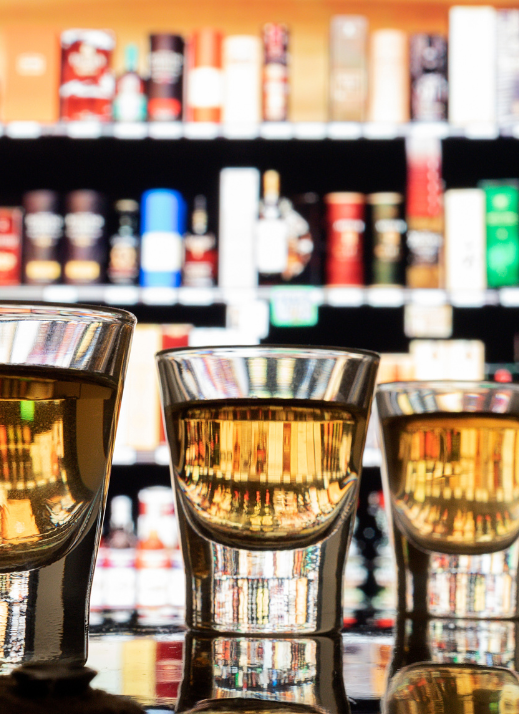
For starters, staff will be able recognize signs of an investigation for overservice.
A Dram Shop expert witness examines whether alcohol-service decisions were consistent with recognized industry practices and the circumstances employees actually encountered.
A customer’s eventual intoxication does alone demonstrate that a bartender saw distinct warning signs in the course of service. The investigation should take into account the behavior of the customer, the timing of service, as well as staff observations.
Surveillance video may reveal employees interfering with one or with one another, doing unusual moves or having difficulties walking. Statements from witnesses may provide more details, however recollections of events may differ. It is crucial to distinguish between what investigators learned after the incident and what staff could have reasonably known in the moment.
One Tab isn’t a necessity. One Drink
The interpretation of reports from point-of-sale requires a lot of prior experience in hospitality. Customers can purchase several rounds of beer for friends. There could be multiple people involved in a bottle-service transaction. Separate bartenders might complete orders without knowing the name of an employee has previously done.
Alcohol expert witnesses are able to examine the amounts of alcohol consumed and the time it took to complete transactions as well as the surveillance footage and staffing data in order develop a better service timeline.
This analysis may reveal moments when employees were able intervene or acknowledge the fact that they were drunk. The analysis could also reveal when there isn’t enough evidence to identify the person who drank the particular drink.
Training is only relevant when it is completed on the floor.
While employee certificates are important however, they don’t always show how an organization operated during a particular shift.
Investigating whether the training is up-to-date, whether employees are aware of intervention procedures, and if managers reinforce the procedures can form part of the investigation.
Preston Rideout has more than 30 years of experience in the hospitality industry, which includes bartending and nightclub management. He also offers advice on beverage programs.
Professionally, his qualifications show that he holds 112 seller-server certificates covering 48 states, as well as the District of Columbia.
The combination of these two allows him to look at the education that employees received as well as their operational choices. For example the bartender may be aware of concerning behavior but lack clear guidelines for contacting management or recording a refusal of service. The effectiveness of supervision may thus be as crucial as the employee’s individual actions.
The Insurance Investigation May Ask Similar Questions
Expert witness witnesses for liquor liability frequently examines the same operational issues for coverage counsel, insurers as well as defense attorneys. The terminology might differ but the fundamental investigation still concerns alcohol service, staff behavior training, as well as supervision of management.
A thorough review could include incidents reports as well as written policies. This could also include videos, employee schedules or certification documents. It’s not the role of the expert to endorse the entity that they are retained by. The expert’s responsibility is to communicate the results, identify industry practices and to recognize the significance of limitations.
Experience explains the reasoning Behind the Records
Rideout has testified in alcohol-service and hospitality-related matters across eleven states, working in tandem with defense and plaintiff counsel.
His research focuses on bars, restaurants, nightclubs, hotels resorts, casinos as well as other settings for hospitality where alcohol service is part of the daily operation. Each place has different structure of staffing and challenges for supervisors.
A bartender who works in a restaurant’s dining area may be able to better watch customers than a worker at a counter serving drinks in a nightclub. Knowing the difference will help you place evidence in the right operational context.
A Credible Opinion Can’t Fill The gaps by making assumptions.
Dram shop laws are different according to the jurisdiction in which they are located. Expert testimony from operational experts shouldn’t be taken as a legal decision. The most accurate analysis explains what employees did and what the accepted service practices called for, and the conclusions the evidence supports.
Sometimes, documents show a deviation from the standard procedure. The records also show that employees did not follow the correct procedures or left important questions unanswered.
This distinction is essential for lawyers who have to evaluate allegations involving alcohol. An expert opinion is useful and does more than describe the incident. It allows the judge to know what was going on inside the establishment even before the evening was over.